Modern numismatics evolves quickly as new technologies change how collectors study, verify, and protect coins. AI, imaging and coin value lookup tools, and digital databases shorten research time, reduce errors, and bring museum-level precision to everyday hobbyists. These improvements increase reliability and make the field more accessible than ever.
The Rise of Instant Identification
AI recognition systems reshape the first steps of coin research. They scan features such as inscriptions, edge patterns, and metal tones, then compare them with massive reference libraries. This process cuts analysis time dramatically and limits misidentification.
Key benefits include:
- Immediate recognition based on a simple photo
- Automated checks for mint years, compositions, and standard weights
- Rapid comparison to known varieties and catalog data
- Consistent accuracy that minimizes human error
How Collectors Use AI Tools
Most users follow a simple routine:
- Photograph the coin under soft, even lighting.
- Upload the image into an identification app.
- Review mint details, specifications, and common market ranges.
- Save the results or compare them with auction listings.
Instruments such as the best free coin identifier app for iPhone make this workflow fast. After scanning a coin, the app displays a detailed coin card with composition, weight, years of minting, and pricing information. This helps collectors verify pieces instantly at shows, shops, or auctions without carrying heavy reference guides.
Why It Matters
AI tools support:
- Faster decision-making
- Reduced risk during purchases
- Stronger confidence for beginners
- Better preparation before bidding or trading
As AI speeds up identification, the industry leans on advanced imaging and authentication technologies to improve accuracy even further.
Advanced Imaging, 3D Modeling & Digital Authentication
Modern authentication relies on precise visual data. Collectors no longer depend only on magnifiers; advanced imaging tools reveal details invisible to the eye. These technologies raise accuracy, strengthen anti-counterfeiting efforts, and support long-term documentation.
High-Resolution Imaging
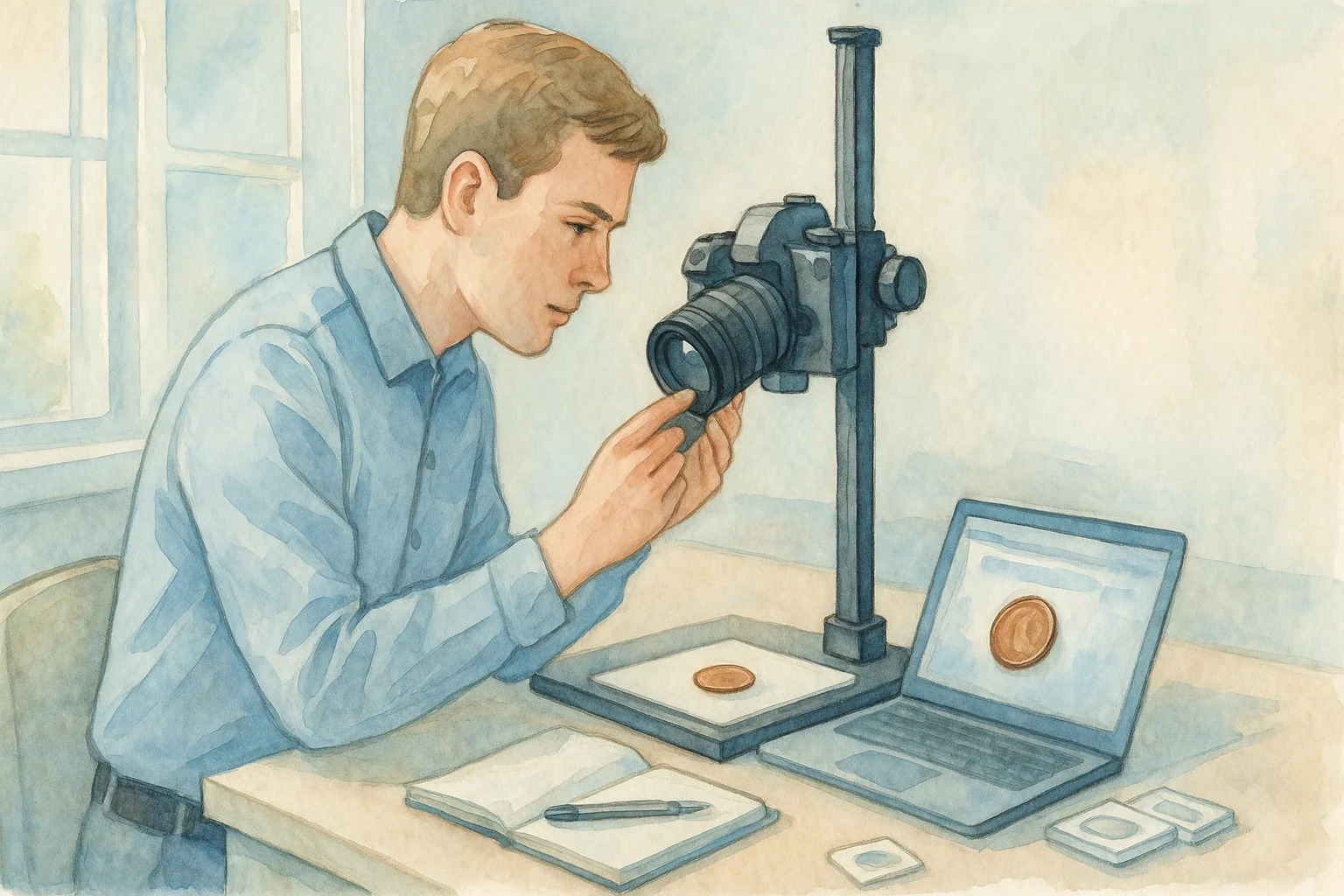
Specialized photography captures tiny design elements that help identify varieties or issues.
Key advantages:
- Clear visibility of die cracks, doubling, and texture
- Consistent lighting for before-and-after comparisons
- Reliable digital records for future grading or resale
- Non-invasive examination suited for fragile pieces
Museums and grading firms use these systems to document rare coins without handling them repeatedly.
3D Modeling for Deeper Analysis
3D scanning creates detailed surface maps, allowing researchers to evaluate:
- Strike depth
- Die wear and deformation
- Subtle surface irregularities
- Planchet flaws and minting anomalies
These models support automated classification and reduce subjective interpretation.
NFC-Enabled Slabs for Instant Verification
Grading companies such as PCGS and NGC now integrate NFC chips into slabs. A quick scan with a smartphone confirms:
- Certification number
- Population data
- Coin images
- Authenticity status
Additional security layers, including holograms and tamper-resistant holders, make counterfeiting far more difficult.
How These Tools Improve Safety
Advanced imaging strengthens collector confidence through:
- Faster confirmation during trades
- Reduced dependence on eyesight alone
- Clear documentation for insurance claims
- Immediate proof of grading legitimacy
With authentication becoming more secure, the next stage of innovation focuses on organization, research, and provenance.
Digital Databases, Blockchain Provenance & Future-Proofing Collections
Modern numismatics now relies heavily on digital platforms that organize information, reveal historical patterns, and protect ownership records. These tools make research easier and strengthen the long-term value of every collection.
Digital Databases for Faster Research
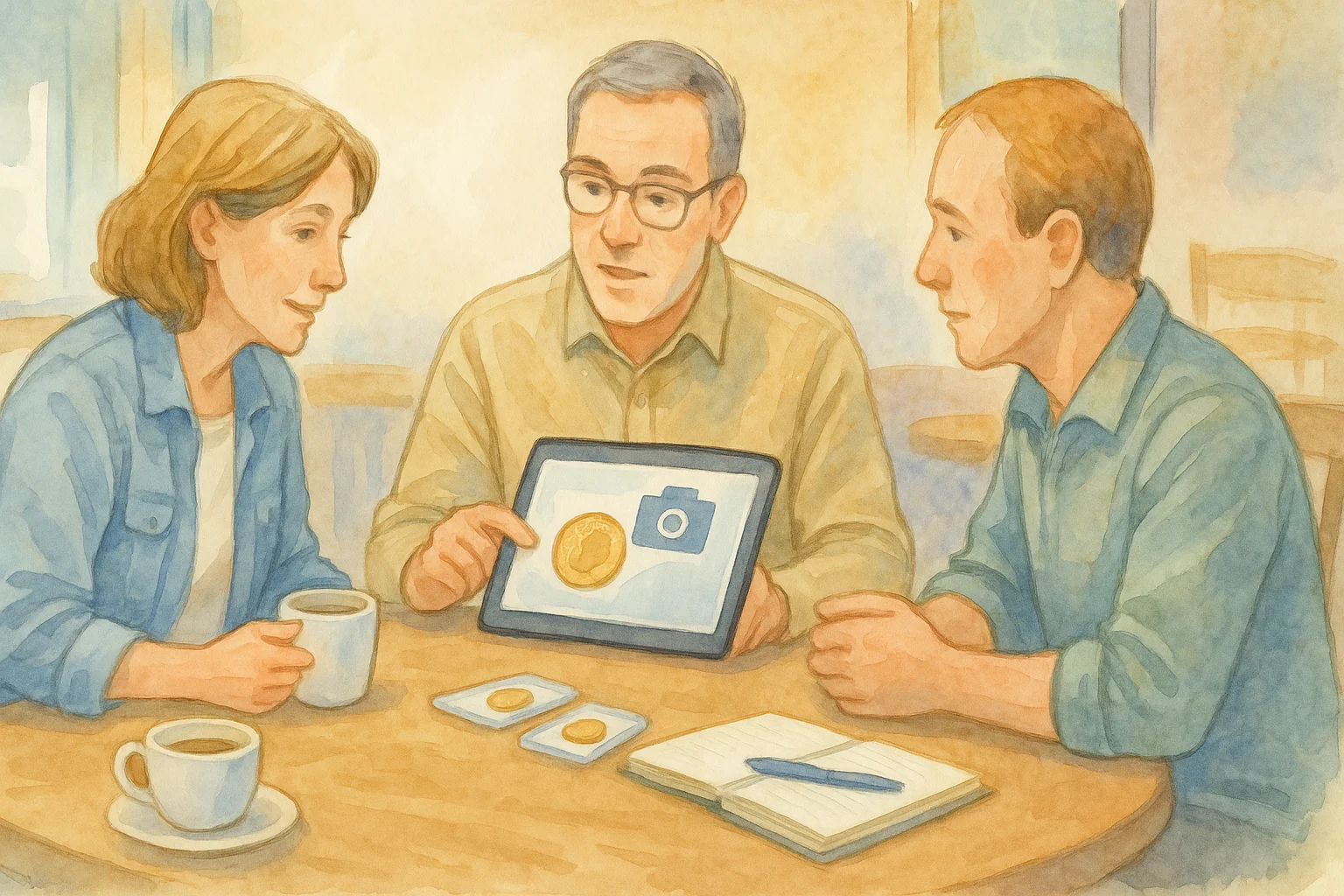
Online repositories gather detailed information about coins from around the world. Large databases help collectors check authenticity, confirm specs, and compare values without switching between multiple sources.
Core advantages:
- Access to thousands of verified coin entries
- Smart filters for metal type, mint year, denomination, and region
- Clear pricing tiers and reference charts
- Easy cataloging for private collections
A coin value app Android, for example, combines identification, collection management, and AI-assisted notes. This helps users maintain organized digital records and cross-reference potential acquisitions quickly.
GIS Mapping for Historical Insight
Geospatial tools reveal patterns in coin circulation and hoards. These systems highlight:
- Trade routes
- Regional mint activity
- Clusters of archaeological finds
- Distribution of varieties over time
For researchers, these maps open new ways to study history through coin movement and origin points.
Blockchain for Provenance and Security
Blockchain technology adds a transparent, tamper-resistant layer to coin ownership. Each transfer creates a permanent entry, strengthening trust during resale.
Key benefits:
- Immutable provenance records
- Reduced fraud in high-value trades
- Higher resale confidence
- Clear ownership trails for investors and institutions
Some modern mints also embed security features such as UV-reactive inks or hidden patterns that appear only under blacklight, improving counterfeit detection.
Future-Proofing Collections
Emerging tools prepare collectors for the next stage of numismatics. Hybrid apps now experiment with:
- AR previews for virtual inspection
- Digital twins that store 3D models of each coin
- Automated grading assistance powered by machine learning
- Enhanced color and holographic elements in modern releases
These innovations create better documentation and improve market liquidity by standardizing digital records.
Technology now supports every step of the numismatic process—identification, authentication, cataloging, research, and ownership security. With these tools, collectors gain speed, accuracy, and protection, turning modern numismatics into a safer and more informed field for enthusiasts and investors.